Are Custom Cabinets Worth It? What Homeowners Should Know
Custom cabinets are worth the investment when standard options can’t solve a room’s storage, layout, or daily-use challenges. We use made-to-fit cabinetry to improve access and organization in irregular closets, narrow pantries, garages, mudrooms, and other busy spaces. Custom work requires a higher upfront budget and a longer planning timeline.
Key Takeaways
- We recommend custom cabinets for awkward dimensions, specialized storage needs, and rooms where wasted space creates daily clutter.
- Stock cabinets work well in straightforward rooms, on limited budgets, and for projects that need faster availability. Semi-custom options provide more flexibility without the cost of fully custom construction.
- Layout complexity, materials, finishes, hardware, storage features, and installation conditions all affect cost.
- Durable materials, correctly rated hardware, precise measurements, and skilled installation support long-term performance.
- Custom cabinetry can improve home appeal and daily usability, but we recommend prioritizing current needs instead of expecting a guaranteed resale return.
When Custom Cabinets Are Worth the Investment
Custom cabinets are worth the investment when they solve a clear storage, layout, or daily-use problem that standard products cannot address. The real value of custom cabinetry comes from a better fit, easier access, and storage that supports how a household actually lives.
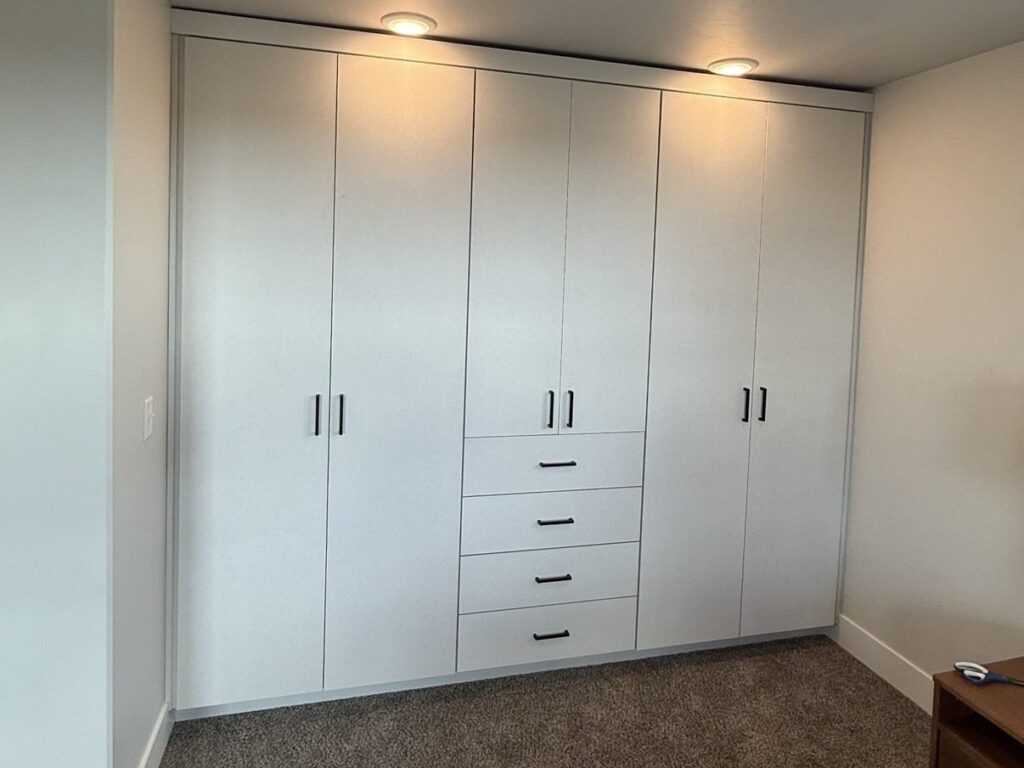
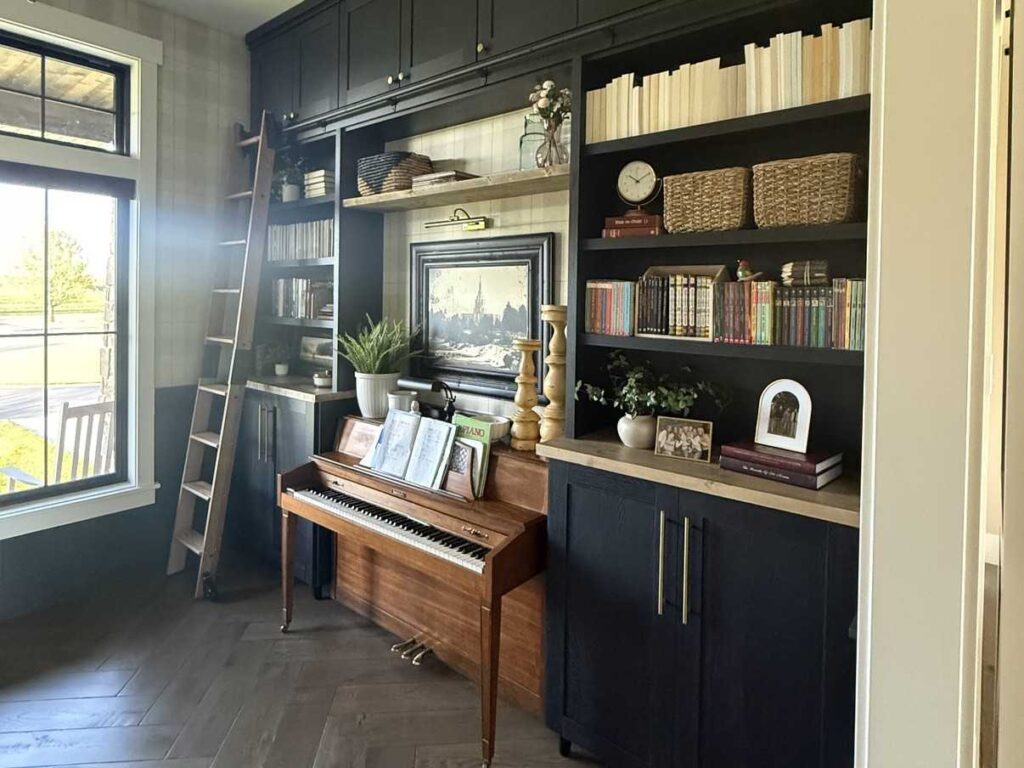
A standard cabinet may work well in a simple, square room with typical dimensions. It can fall short in a narrow pantry, an angled closet, a garage with limited wall space, or a mudroom that needs to manage bags, shoes, coats, and school supplies. In these spaces, purpose-built custom storage solutions can turn unused areas into practical storage.
Custom cabinets are not always the right choice. A lower-cost standard option may make sense for a temporary update, a straightforward layout, or a project with a tight budget and deadline. We recommend custom work when long-term function, dependable materials, and a precise fit matter more than the lowest initial cost.
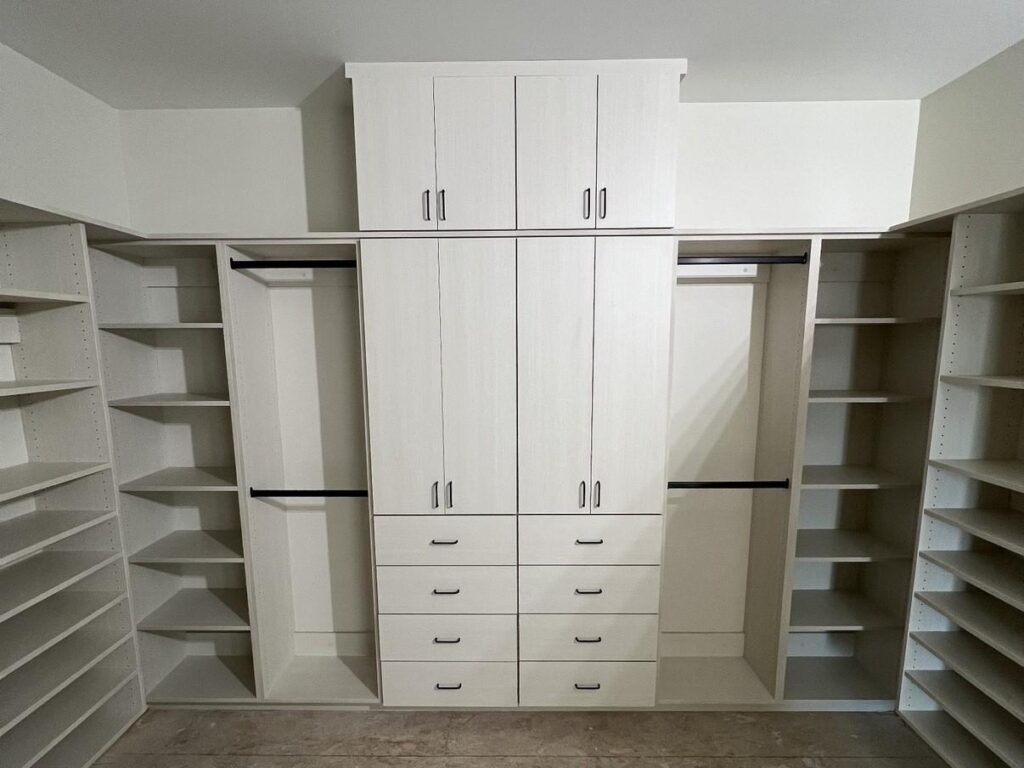
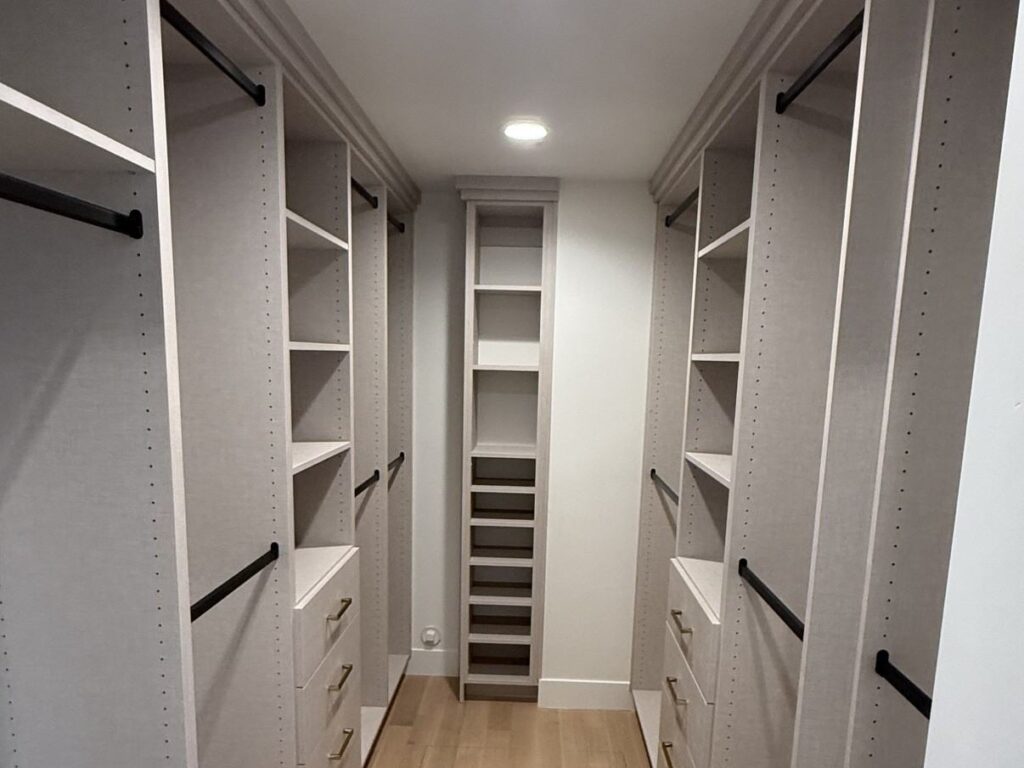
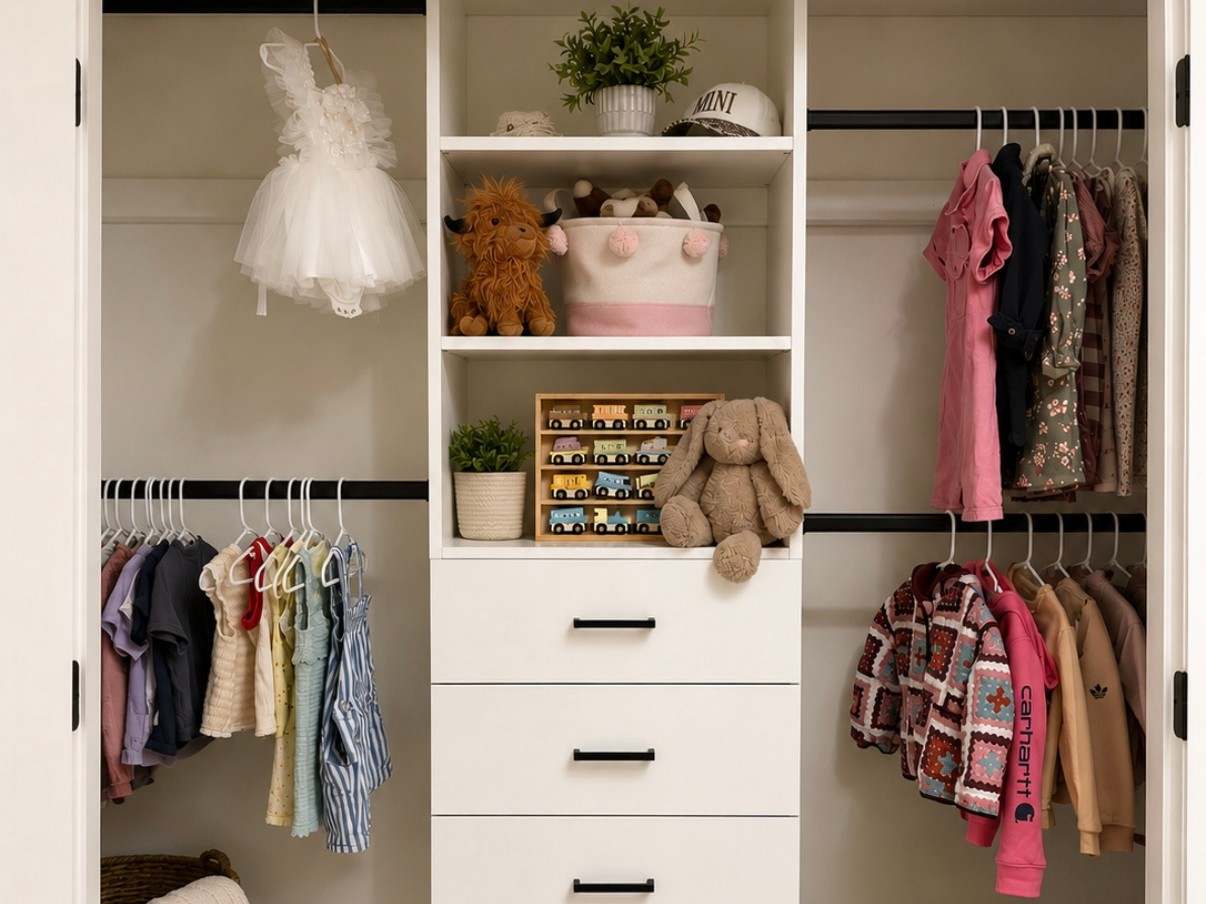
Custom closet systems are especially useful in builder-grade closets that offer a single rod and shelf but do little to organize clothing, shoes, accessories, or seasonal items. Custom garage cabinets can also make a major difference where tools, yard equipment, sports gear, and household supplies compete for floor space. The goal is practical organization that reduces clutter and makes daily routines easier.
What Custom Cabinets Can Do That Stock Options Cannot
Made-to-fit cabinets are built around actual room measurements rather than a fixed set of predetermined sizes. This allows us to work with uneven walls, tight corners, sloped ceilings, unusual openings, and available vertical space that stock units often leave unused.
Customization includes cabinet dimensions, shelf spacing, drawer sizes, hanging areas, door styles, finishes, hardware, and internal features. Storage can also be planned around specific belongings. A pantry may need zones for dry goods, small appliances, and serving pieces. A closet may need double-hang sections, shoe shelves, and drawers. A garage may need enclosed storage for supplies and open access for frequently used tools.
In a narrow pantry, custom pantry storage can use depth carefully so food does not disappear behind crowded shelves. In an irregular closet, custom closet organization can turn difficult corners into usable shelving or hanging space. Garage storage cabinets can keep equipment protected and organized without covering the entire garage wall. A growing family may benefit from mudroom storage that gives each person a clear place for outerwear, backpacks, and shoes.
Different rooms call for different decisions. Kitchen cabinets need efficient work zones and durable surfaces. Closet systems focus on visibility and easy access. Garages often need materials that stand up to dust, temperature swings, and heavy items. Laundry rooms need storage that works around appliances and utility connections. Built-in storage solutions may need to blend with surrounding trim, walls, and furniture.
Our custom cabinetry process starts with the room and the items that need a home. That approach helps us create storage that feels intentional instead of added on.
The Cost and Tradeoffs Homeowners Should Expect
Custom cabinet cost is higher than many off-the-shelf products because each project involves design work, precise measuring, material selection, production, and professional installation. It also takes more planning and usually requires lead time before installation begins.
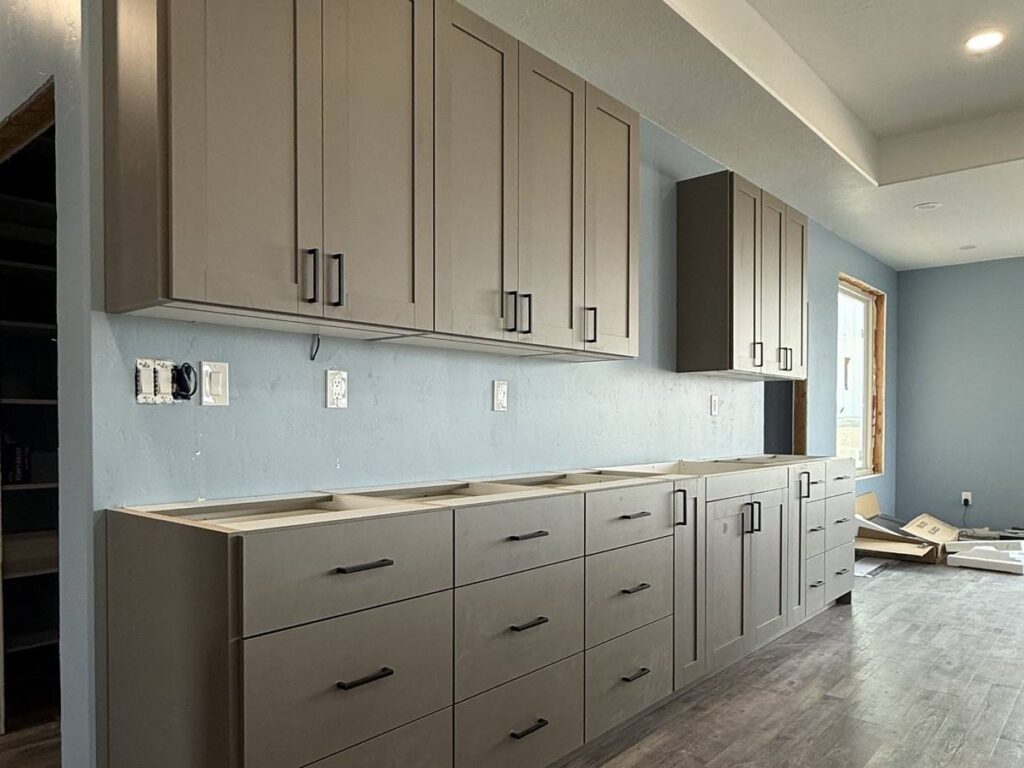
Custom cabinet pricing factors include the size of the room, the complexity of the layout, cabinet materials, finish selections, door and drawer styles, accessories, cabinet hardware, and installation conditions. A simple wall of shelving costs differently from a room with drawers, pull-out storage, integrated hanging areas, detailed trim, and multiple finish choices.
The right investment depends on where improved function will have the greatest daily impact. We often recommend putting the budget into the features that make storage easier to use and maintain. Useful options may include adjustable shelves, full-extension drawers, pull-out storage, dedicated hanging areas, and durable hardware. A well-planned design does not need every available accessory to work well.
Homeowners should also consider the project timeline. Stock products can offer faster availability, while custom cabinet installation follows a sequence of consultation, design, approval, production, and fitting. This added time supports a more accurate result, but it requires reasonable scheduling expectations.
How Materials, Construction, and Installation Affect Long-Term Performance
Durable custom cabinets depend on sound cabinet construction quality, appropriate materials, reliable hardware, correct fitting, and normal care. A well-designed system can serve a household for many years, but no cabinet system lasts indefinitely without proper use and maintenance.
Material choices should match the room’s conditions. Garages, laundry rooms, and mudrooms often experience humidity, temperature shifts, dirt, moisture, and heavier daily use. Moisture-resistant cabinetry and finishes suited to those conditions can help protect cabinet components and keep surfaces easier to clean.
Cabinet hardware durability matters because hinges, drawer slides, pulls, and hanging components handle repeated motion and weight. Drawers should operate smoothly under expected loads. Shelves should be sized and supported for the items they will hold. Doors need proper alignment and clearance to open without interference.
Accurate measuring and careful cabinet installation are equally important. Even quality cabinetry can perform poorly if walls are out of square, mounting points are not properly secured, or components are poorly aligned. We account for room conditions during design and installation so the finished system operates as intended.
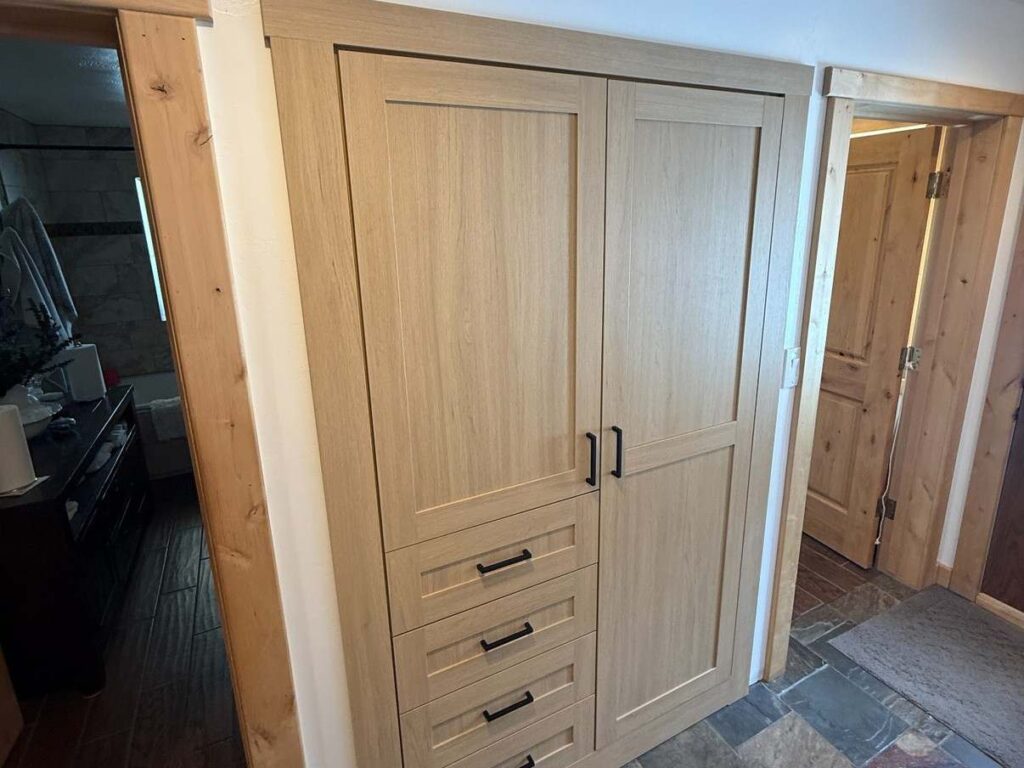
For a closer look at finish options that fit different rooms and styles, review our cabinet finishes. The right finish should balance appearance, cleaning needs, and the environment where the cabinetry will be used.
Custom vs. Stock vs. Semi-Custom: Which Option Fits the Project?
Stock vs. custom cabinets is mainly a question of fit, flexibility, budget, timing, and storage needs. Each option has a practical place, and the best choice depends on the room rather than a single rule.
Stock cabinets are available in set sizes, standard finishes, and limited configurations. They can be sufficient for uncomplicated rooms with standard dimensions, modest storage demands, and a limited budget or timeline. Fillers and spacing adjustments may be needed where stock sizes do not align with the room.
Semi-custom cabinets offer a middle option. They generally provide additional sizes, finishes, and configuration choices compared with stock products. Semi-custom cabinets can work well when a room needs more flexibility but does not require a fully made-to-fit plan.
Custom cabinetry gives the greatest control over dimensions, storage features, materials, finishes, and layout. It is often the strongest choice for rooms with irregular dimensions, difficult architectural features, specialized storage requirements, or a need for a cohesive design across several areas of the home.
Custom cabinet alternatives should be evaluated honestly. A standard product can be a smart decision if it meets the need without unnecessary expense. However, homeowners with awkward spaces, high-use storage areas, or specific organization goals often benefit from custom storage design because every section can serve a defined purpose.
Resale, Home Value, and Questions to Ask Before Moving Forward
Custom cabinets resale value can vary widely. Well-designed, durable storage may improve everyday usability and make a home more appealing to future buyers, but custom cabinetry does not automatically produce a specific return on investment. Local market conditions, the quality of the project, the room involved, and buyer preferences all affect resale results.
A home storage investment should first make sense for the people using the home today. If improved organization saves time, clears floors, creates useful access, and supports daily routines, the project has value beyond a future sale.
Before approving a design, homeowners should identify the storage problems that need attention, how long they expect to stay in the home, and which routines need better support. It also helps to decide where material quality matters most, which finish suits the room, and what budget and timeline are realistic.
A custom cabinet consultation provides an opportunity to discuss measurements, layout options, materials, storage features, and installation details before making a final commitment. We encourage homeowners to bring clear priorities, including the items they need to store and the frustrations they want to eliminate. Our cabinet design consultation helps turn those priorities into personalized storage solutions with a practical plan for the space.