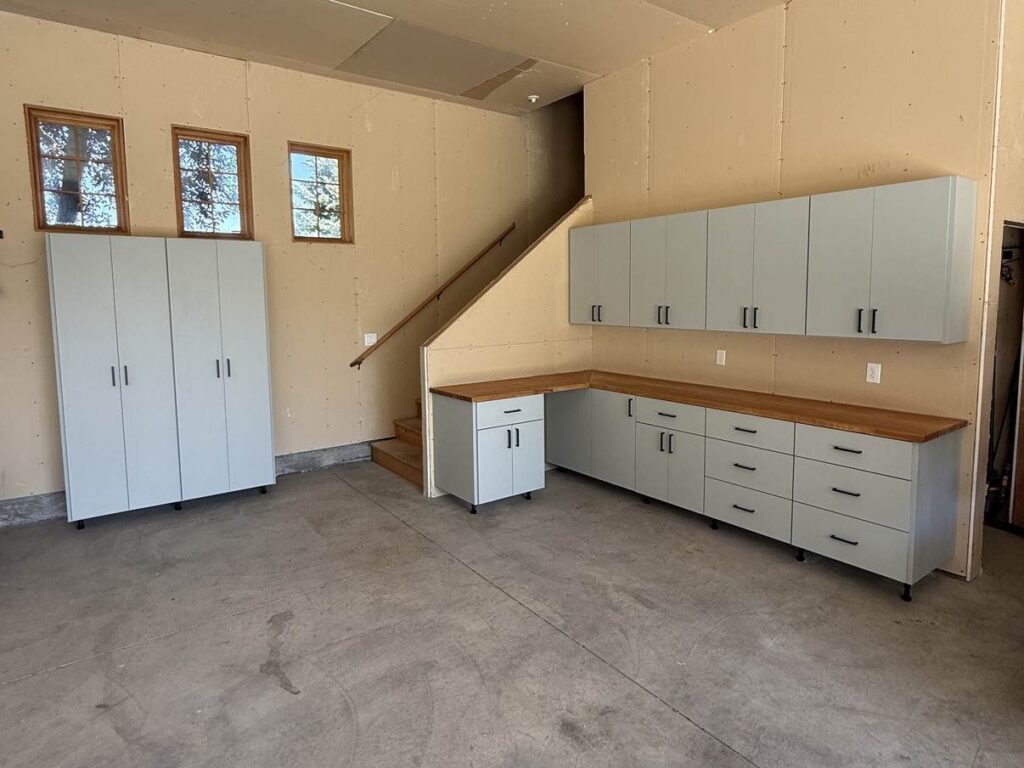
Garage Closet Ideas for Tools and Seasonal Items
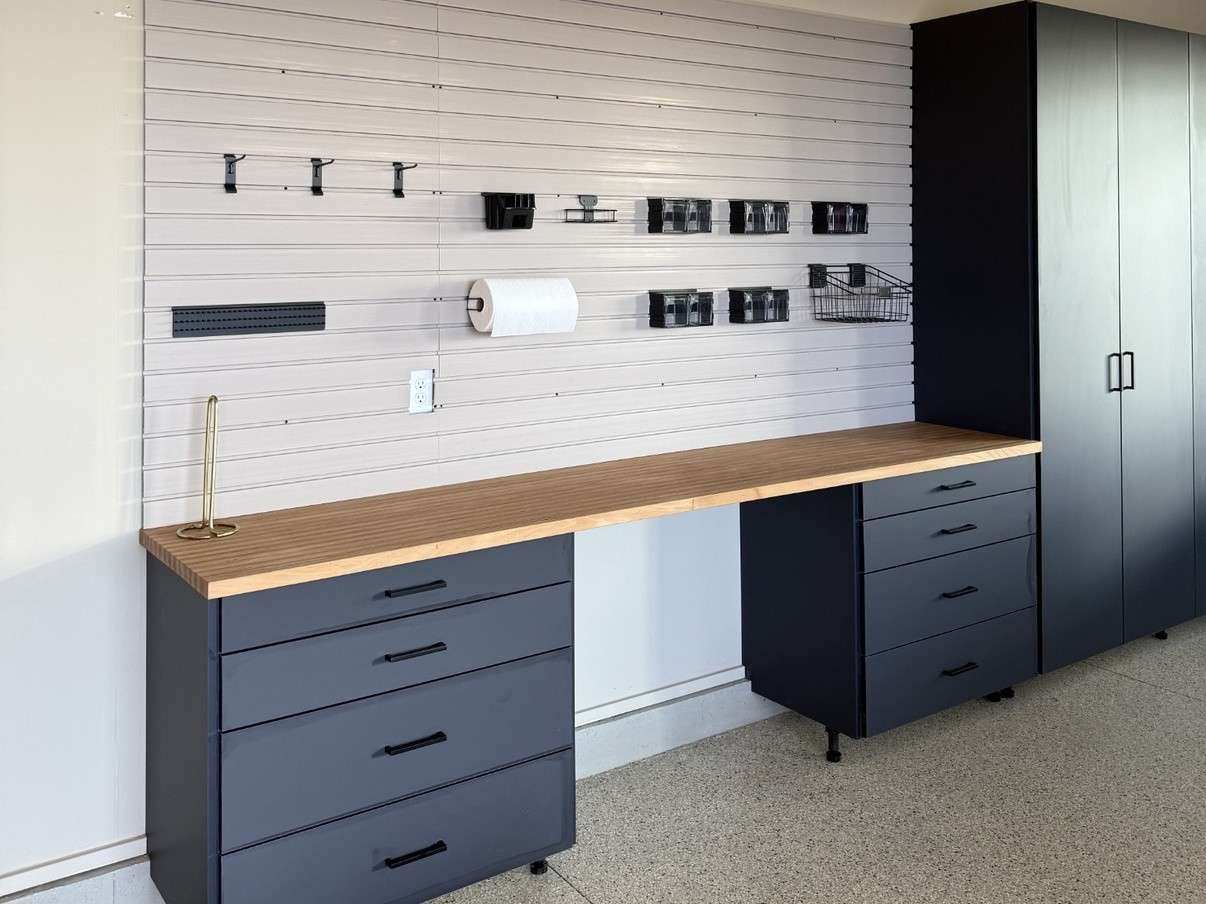
Garage closet ideas for tools and seasonal items should protect vehicle parking, clear walkways, utility access, and everyday work areas. We sort belongings by use and frequency. Then, we combine cabinets, adjustable shelves, drawers, and wall storage to keep each category accessible and contained.
Key Takeaways
- We measure the garage first. Then, we plan storage around vehicle footprints, door clearance, garage-door equipment, walkways, and utility access.
- We sort and reduce inventory before choosing cabinets or shelving. Next, we group remaining items by activity, size, weight, and frequency of use.
- We create dedicated zones for tools, seasonal bins, sports gear, garden supplies, household overflow, and automotive accessories.
- We keep daily-use items within easy reach. We place light seasonal containers on upper shelves and store heavy equipment and bins low.
- We choose durable storage materials that handle garage conditions. We also follow manufacturer instructions for hazardous products, fuel, batteries, paint, and chemicals.
Start With Your Garage Layout, Parking Footprint, and Inventory
Effective garage closet ideas begin with the space that must remain open. We first measure the garage, map the vehicle parking footprint, and identify the walking paths that need to stay clear. This step prevents cabinets, drawers, and shelves from turning a usable garage into a tight and frustrating space.
Before choosing cabinet depths or deciding where storage belongs, we sort the inventory. Garage cabinetry can organize what remains, but it can’t replace the work of donating, recycling, discarding, or relocating items that no longer serve the household. Removing excess items first creates a more useful plan and helps us avoid building storage for things that don’t need a long-term home.
We group remaining belongings by activity, category, size, weight, and frequency of use. Daily-access items need convenient locations. Seasonal belongings can use high shelves, deep cabinets, or less accessible walls. Occasional items can move farther from the main entry and work areas.
Good garage closet organization ideas also account for the features already in the room. We preserve clearance around parked vehicles, garage doors, tracks, openers, windows, outlets, switches, and utility access. Electrical panels, shutoff valves, water heaters, furnaces, and appliances must remain accessible. Door swing, drawer clearance, and safe walkways matter just as much as storage capacity.
Every garage supports a different routine. Some households need room for two vehicles. Others use the garage for woodworking, gardening, recreation, vehicle maintenance, or household overflow. We build the storage plan around those priorities instead of forcing one layout onto every space. For additional planning inspiration, our functional custom closet ideas show how category-based storage can make daily routines easier.
Create Dedicated Zones for Tools, Seasonal Items, and Household Storage
The most practical garage storage closet ideas separate belongings by how they’re used and what they require. Tools, paint, seasonal décor, sports gear, automotive products, and garden equipment all need different types of access and support. Defined zones prevent one activity from taking over the entire garage.
A tool zone often benefits from adjustable shelves, enclosed cabinets, drawers for small supplies, wall-mounted tool storage, and a work surface where space allows. We keep commonly used hand tools at a comfortable height and provide a specific place for bulky items such as saws, extension cords, ladders, or power equipment. That keeps the floor and work surface clearer for actual projects.
Seasonal storage works well in full-height cabinets, upper storage, and deeper shelves. Holiday décor, winter gear, camping equipment, and infrequently used bins can stay organized without occupying prime floor-level space. Labeled containers make seasonal changeovers faster. We place lighter bins higher up and keep heavier containers on lower shelves.
Closed cabinets give cleaning supplies, paper products, utility items, and bulk purchases a tidier appearance. This zone can also handle household overflow that doesn’t belong in a kitchen, pantry, laundry room, or closet. For connected utility areas, our guidance on laundry room storage can help create a more consistent storage plan throughout the home.
Sports and recreation zones should reflect the activities a household actually uses. Helmets, balls, fishing equipment, ski gear, camping supplies, and outdoor accessories need designated homes that are easy to reach before a trip and easy to put away afterward. A family that bikes every week needs a different setup than one that stores ski equipment for part of the year.
Garden and yard-care items often belong near an exterior door. Gloves, hoses, small hand tools, potting supplies, and lawn-care accessories stay easier to manage when they’re close to the work area. Since this zone may face moisture, dirt, and frequent use, we select materials and storage details with those conditions in mind. Similar entryway planning can be found in our custom mudroom storage ideas.
Automotive supplies also need a defined area, separate from everyday household items. We reserve space for car-care products and accessories while following manufacturer guidance for fluids, batteries, fuels, and chemical products.
Choose Cabinets, Shelving, and Storage Features Based on What You Own
The strongest garage closet storage ideas start with the actual inventory, not a catalog image. Cabinet depth, shelf placement, door style, and drawer configuration should work with the garage layout, available wall space, and vehicle clearance. A deep cabinet may hold large bins well, but it may be a poor fit beside a vehicle parking area or narrow walkway.
Adjustable shelving offers flexibility as tools, bins, and household needs change. Full-height cabinetry makes good use of vertical space and keeps certain items enclosed. Deeper shelves support larger seasonal containers, while open shelves provide quick access to frequently used supplies. Integrated drawers help contain hardware, hand tools, cords, and smaller accessories that can otherwise scatter across a workbench.
We reserve accessible storage for the belongings used most often. High shelves, upper cabinets, and deeper storage areas work better for occasional and seasonal items. Designated storage for awkward equipment also matters. Without it, large tools and recreational gear often end up leaning against walls or blocking vehicles.
Garage conditions deserve careful consideration. Dust, dirt, moisture, temperature swings, and heavy use can affect storage materials and finishes over time. We select durable options that suit the conditions of the specific garage, while recognizing that no material is right for every environment or completely free from upkeep.
For garages that need coordinated cabinetry, enclosed storage, work areas, and wall-based organization, our garage storage solutions can be planned around the way the space is used. New construction also offers an opportunity to account for storage early, as explained in our article on custom cabinetry for new construction.
Keep Heavy, Sharp, and Hazardous Items Stored Safely
Garage closet organization ideas should always put safety before appearance. Closed cabinets can make a garage look cleaner, but an enclosed cabinet does not automatically make every product suitable for storage there. We follow manufacturer instructions and local requirements for hazardous materials.
Sharp tools need secure storage that keeps blades, points, and cutting edges away from children and pets. Heavy bins, equipment, and tools belong on lower shelves. We also avoid overloading shelves and cabinets, since weight limits depend on the product, installation method, and wall conditions.
Flammable fuels, chemicals, propane cylinders, batteries, paint, and automotive fluids each have specific handling and storage requirements. We don’t treat general cabinetry as a universal storage location for these products. Manufacturer guidance should determine where and how each item is kept.
Clear access remains essential throughout the garage. Electrical panels, shutoff valves, furnaces, water heaters, appliances, garage-door equipment, and other important components must stay unobstructed. Storage should never interfere with vehicle movement, garage-door operation, or a safe path to reach everyday belongings.
Freestanding Shelving or Custom Garage Closet Storage: What Fits Your Space?
Freestanding shelving can work well for simple needs, temporary storage, or an open wall with straightforward dimensions. It offers a practical way to elevate bins and supplies off the floor. In some garages, that may be all the storage required.
Custom garage closet storage offers greater control over dimensions, enclosed storage, vertical space, and the use of difficult walls. It can be especially helpful around obstructions, wall-to-wall storage areas, unusual garage dimensions, or homes where several activities compete for space. Coordinated cabinetry can also create a calmer appearance while keeping tools, household supplies, and seasonal belongings in defined locations.
Investment and scheduling vary with garage size, layout complexity, cabinet materials, finishes, accessories, site conditions, design scope, and installation availability. A thoughtful design process helps clarify which features will provide lasting value. Homeowners considering a larger project can also review whether custom cabinets are worth it for their storage goals.
Common Garage Storage Questions
What should be stored in a garage closet? Garage closets can hold tools, seasonal décor, sports equipment, yard-care supplies, cleaning tools, paper goods, household overflow, and automotive accessories. The right contents depend on garage conditions and each item’s storage requirements.
How deep should garage storage cabinets be? Cabinet depth should match the inventory, parking footprint, walkways, and door or drawer clearance. Larger bins may need deeper storage, while narrow walls or vehicle areas may call for shallower cabinets.
Are cabinets or open shelves better for a garage? Both can be useful. Cabinets keep items out of sight and offer a cleaner visual appearance. Open shelves provide fast access to frequently used supplies. Many garage closet ideas combine both.
How do we organize seasonal items in the garage? We group seasonal items by activity or season, use labeled bins, place lighter containers higher up, and keep heavy items low. Full-height cabinets and upper storage help keep these belongings out of prime daily-access areas.
What should not be stored in a garage cabinet? Products with special storage requirements, including certain fuels, chemicals, propane cylinders, batteries, paint, and automotive fluids, should be handled according to manufacturer instructions and local requirements. General cabinets are not automatically suitable for these materials.
Can a custom garage closet work around a vehicle parking area? Yes, provided the layout begins with vehicle dimensions, door swing, walking paths, and garage-door clearance. We plan storage around parking needs rather than reducing the garage’s ability to hold vehicles safely.
For Eastern Idaho and nearby Wyoming homeowners, we can help create garage storage closet ideas that fit the available space, daily routine, and long-term household needs. Contact us to discuss a practical garage storage design for tools, seasonal items, and everything that needs a dependable place.