What Are the Best Garage Storage Systems for Your Home?
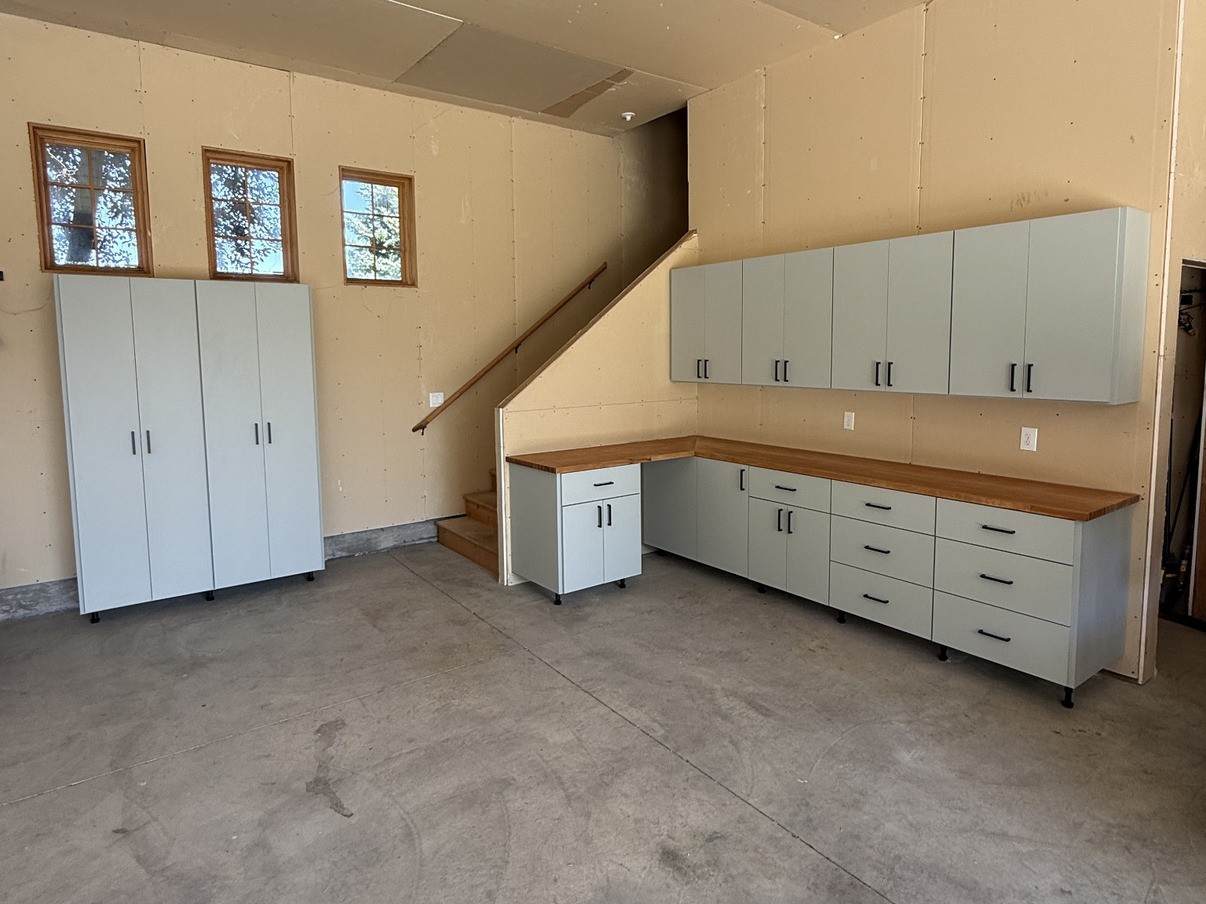
We create the best garage storage systems by combining cabinets, wall storage, shelving, and overhead racks around the items we own, how often we use them, and the space our vehicles need. A practical plan divides the garage into accessible zones. We also account for wall framing, load limits, utility access, walkways, and garage-door clearance.
Key Takeaways
- Match storage types to access needs: keep daily tools and gear within easy reach, and use overhead space for lightweight seasonal items.
- Use wall-mounted systems for frequently used tools, bicycles, yard equipment, and sports gear. Secure each component with proper anchors and follow its load limits.
- Choose cabinets to enclose supplies, chemicals, hobby materials, and items that create visual clutter.
- Plan shelving for labeled bins, bulk supplies, and larger containers. Place heavier items on lower shelves.
- Consider a custom combined system if our garage has unusual dimensions, serves several functions, or needs storage that standard products cannot handle efficiently.
Choosing the Right Garage Storage System for How We Live
There is no single best garage storage system for every home. The right solution depends on what we need to store, how we use the garage, available wall, ceiling, and floor space, vehicle clearance, preferred appearance, budget, and willingness to install or maintain the system.
The best garage storage systems usually combine several garage storage solutions instead of relying on one product category. Cabinets may handle enclosed storage, wall systems can keep daily tools visible, shelving can hold bins, and overhead racks can reserve valuable floor space for vehicles.
| Storage System | Best For | Key Benefits | Limitations | Planning Considerations |
|---|---|---|---|---|
| Wall-mounted track, rail, slatwall, pegboard, or hook systems | Frequently used tools, yard equipment, bicycles, and sports gear | Preserves floor space and improves visibility | Requires proper anchoring and attention to load limits | Confirm wall structure, access height, and clearance around doors and vehicles |
| Garage cabinets | Concealed storage for supplies, chemicals, tools, hobby materials, and household overflow | Reduces visual clutter and creates a cleaner appearance | Performance depends on materials, hardware, placement, and installation quality | Plan cabinet depth, door swing, countertops, and wall anchoring |
| Freestanding or wall-mounted shelving | Bins, bulk supplies, larger containers, and open-access storage | Provides easy visibility and retrieval | Can look cluttered and collect dust | Reserve lower shelves for heavier bins and maintain clear walking paths |
| Overhead ceiling storage racks | Lightweight, infrequently accessed seasonal items | Uses otherwise unused ceiling space | Requires safe mounting and careful vehicle and garage-door clearance | Check ceiling structure, rack access, door travel, and parking space |
| Custom combined garage storage systems | Unusual dimensions, multiple uses, significant storage needs, and a coordinated appearance | Combines storage types around daily routines | Requires thoughtful design and a higher level of planning | Start with an inventory, measurements, work zones, and vehicle needs |
Material quality, installation, wall construction, intended use, and ongoing garage conditions all affect capacity and longevity. A system that works well for a small collection of hand tools may not suit winter equipment, lawn machinery, bulk household supplies, and two parked vehicles. We begin with how the space functions before selecting products.
How to Match Storage Types to Belongings and Access Needs
A practical garage plan starts by sorting belongings according to frequency of use, size, weight, and safety needs. Daily items should stay visible and easy to reach. Seasonal garage storage can move higher or farther back. Heavy items need secure support at a manageable height, while chemicals, sharp tools, and small hardware may need enclosed storage or placement away from children.
Use Shelving and Overhead Storage for the Right Items
Garage shelving works well for labeled bins, paper goods, coolers, bulk supplies, household overflow, and larger containers that are easy to retrieve from open storage. Open shelves make it simple to see what is available. However, they can collect dust and create visual clutter if bins and supplies do not have clear homes.
Overhead garage storage is useful for lightweight items that we access only a few times each year. Holiday décor, empty bins, camping supplies, and seasonal gear are common choices. We avoid placing overly heavy items overhead, and we do not use overhead storage for items needed every week. Safe access matters as much as storage capacity.
Eastern Idaho and nearby Wyoming garages often hold skis, snowboards, snowshoes, winter boots, winter tires, snow-removal tools, fishing equipment, camping gear, coolers, lawn equipment, and muddy outdoor gear. Keeping these items off the floor makes cleaning easier during wet and snowy months. A wall hook for a shovel or a dedicated bin for boots can prevent a small pile near the entry from becoming a constant obstacle.
Use Custom Combinations for Multi-Purpose Garages
Custom garage storage is especially useful when a garage has unusual dimensions, multiple uses, or a substantial mix of equipment. A coordinated layout can place cabinets beside a work surface, garage shelving near household supplies, wall storage near daily tools, and ceiling storage above areas that do not affect vehicle clearance.
For many homes, the goal is not to store everything behind doors. It is to give each category an appropriate location. Items used often stay accessible. Supplies that create visual clutter move into cabinets. Seasonal equipment moves out of the way without becoming difficult to retrieve.
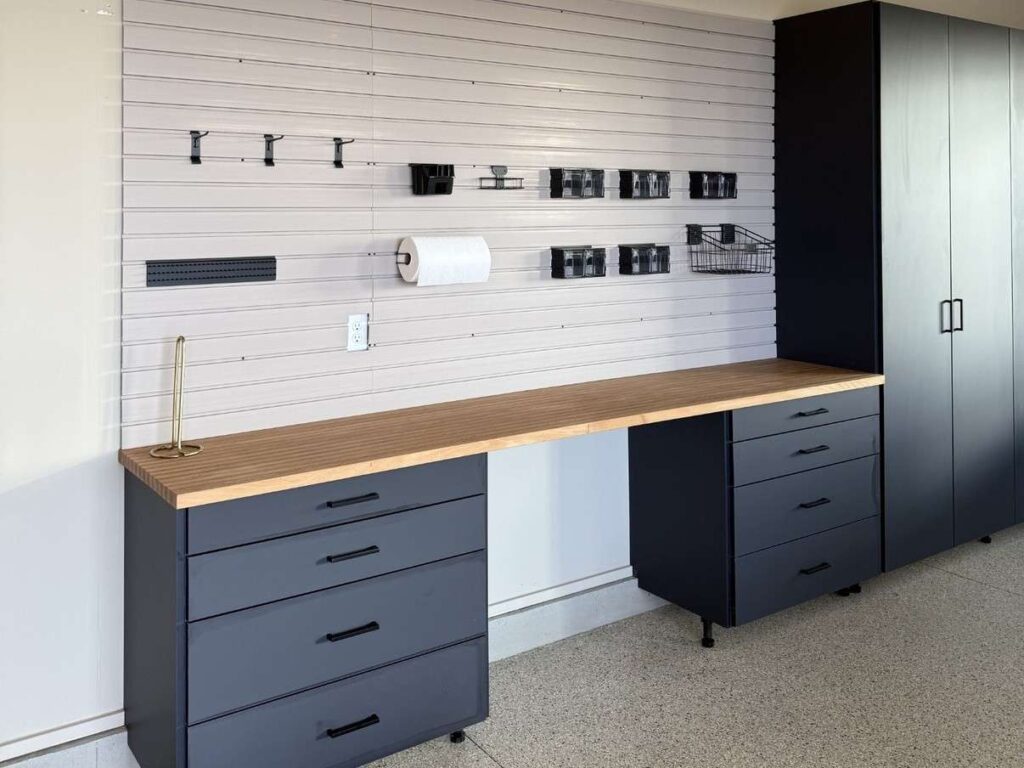
What to Look for in the Best Garage Wall Storage Systems
The best garage wall storage systems depend on the items being stored, available wall space, wall construction, and the need for visibility or flexible access. Wall-mounted garage organization can include track systems, rails, garage slatwall, pegboard-style panels, hooks, and dedicated holders. Each option has a place when it matches the equipment and the wall behind it.
Garage wall storage is often a strong choice for frequently used tools, rakes, shovels, extension cords, yard equipment, bicycles, sports gear, and other items that benefit from quick access. Lifting equipment from the floor can make parking, sweeping, and finding the right item much easier. Many garage hooks and rails can also be repositioned as routines change.
Proper planning remains essential. Wall-mounted systems need secure anchoring, appropriate structural support, and adherence to the product’s stated load limits. We avoid hanging heavy or awkward equipment where it is difficult to remove safely. Frequently used items should stay within easy reach rather than above a vehicle or in a location that requires lifting around obstacles.
Before installing wall storage, we account for outlets, electrical panels, windows, garage-door tracks, door swing, work areas, walking paths, and parking space. An open wall may look available at first, yet it may interfere with a vehicle door or block access to an important utility area once hooks and equipment are installed.
What to Look for in the Best Garage Cabinet Storage Systems
The best garage cabinet storage systems fit the contents, garage conditions, preferred appearance, and available space. No single cabinet material or configuration is universally right. The strongest choice is one that supports the way the garage is actually used.
Garage cabinets are a practical option for households that prefer a cleaner appearance and enclosed garage storage for supplies, chemicals, tools, hobby materials, and household overflow. Doors reduce visible clutter and can help limit dust exposure on stored items, though every garage environment has different temperature, moisture, and cleanliness conditions.
We evaluate material construction, door and drawer hardware, adjustable interiors, moisture and temperature exposure, installation method, wall anchoring, intended contents, cabinet count, and configuration. Cabinet materials, hardware, placement, and installation quality all affect long-term performance. Deep cabinets may hold more, but they must not reduce garage vehicle clearance or create blocked access around a work area.
Garage storage cabinets can also support garage workbench storage. A durable countertop provides a useful surface for repairs, hobbies, home projects, and seasonal preparation. Drawers can organize hand tools and hardware, while base cabinets can hold larger equipment below the work surface.
We place chemicals, sharp tools, and household supplies in appropriate locations, especially where children may enter the garage. Enclosed storage is useful, but safe placement and responsible storage practices remain important. For ideas that apply the same functional thinking to other areas of the home, our guide on custom cabinet value explains why construction and configuration matter.
Plan the Garage in Zones Before We Install Storage
Many garages serve several purposes at once. They may need to park vehicles, support a workbench, store sports equipment, hold yard tools, manage seasonal items, and catch mudroom-style overflow. Garage storage planning works best when we divide the room into garage organization zones instead of treating it as one large storage area.
A daily-access zone near the entry can hold shoes, bags, coats, pet supplies, and regularly used outdoor gear. A tool and project zone near a workbench keeps hand tools, chargers, hardware, and project materials together. Sports and recreation equipment such as bicycles, helmets, skis, fishing gear, camping equipment, and coolers needs its own accessible location.
Lawn and garden items, including hoses, tools, lawn equipment, and outdoor supplies, belong near the door used for yard access when possible. A seasonal zone can hold holiday décor, winter tires, and items used only a few times a year. Household bulk storage can contain paper goods, bins, pantry overflow, and larger containers.
Every plan also needs a vehicle-clearance zone. This protects parking space, door opening room, and safe walking paths. We measure wall space, ceiling height, door swing, outlets, electrical panels, windows, and garage-door tracks before selecting storage.
Common problems include storing seasonal gear too low, leaving no room for vehicles, placing frequently used items overhead, and relying on generic shelving that does not fit around doors or utilities. Heavy-duty wall systems, shelves, cabinets, and overhead racks should be installed according to manufacturer instructions and securely anchored to appropriate structural support. We do not obstruct electrical panels, garage-door components, outlets, walkways, fire-safety equipment, or garage vehicle clearance.
Garages that act as a daily entry point can also benefit from ideas used in a custom mudroom layout, especially for boots, coats, bags, and pet supplies.
When a Custom Garage Storage Plan Makes Sense
Retail products and DIY installation can work well for simple needs, particularly when a garage has standard dimensions and a limited amount of equipment. Professionally installed garage storage may make more sense when cabinets, wall systems, or overhead components need precise placement. A fully custom garage storage design becomes practical when standard products cannot efficiently fit the dimensions, routines, vehicle needs, or mix of belongings in the space.
Custom combined garage storage systems can bring cabinets, wall storage, shelving, work surfaces, and overhead storage into one coordinated plan. This approach helps us reserve accessible locations for daily equipment while keeping seasonal items out of the way. It also avoids wasted areas around utility panels, corners, doors, and garage tracks.
Total investment depends on garage size and layout, material selection, cabinet count and configuration, wall repair or preparation needs, shelving, drawers, countertops, hooks, specialty accessories, ceiling height, overhead-rack complexity, and professional design and installation requirements. We recommend starting with measurements, then sorting items by how often they are used. From there, we decide what should remain visible, concealed, elevated, or kept within easy reach.
For a coordinated approach, explore our garage storage solutions. Homeowners who want help turning an inventory, layout, and daily routine into a workable design can schedule a garage storage consultation with Taylor Made Closets for a personalized plan.